


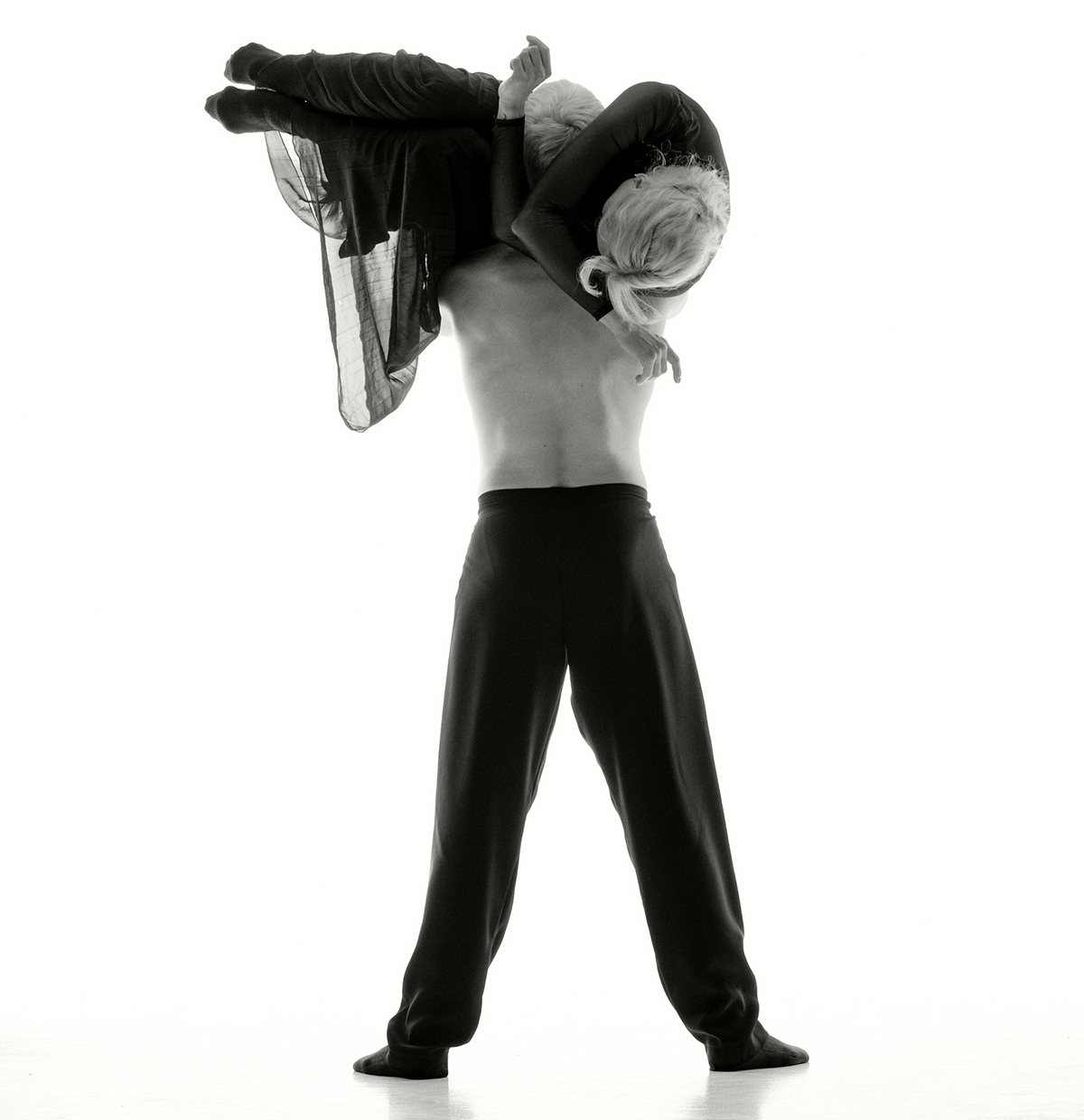
Ballet is art – but it is also high-performance sport. Dancers need not only flexibility, technique and expression, but also strength, endurance, stability and precise body control. This is exactly where targeted strength and conditioning training can make a decisive difference.
For a long time, strength training in ballet was sometimes considered problematic, out of concern that additional muscle might alter the dancer’s aesthetic or restrict flexibility. Scientific findings, however, paint a more nuanced picture: correctly dosed, dance-specific strength training can improve strength, balance, explosiveness and performance – without necessarily leading to a visible increase in muscle size.
Why do ballet dancers need strength training?
Ballet places extraordinary demands on the body. Large ranges of motion at the hip and ankle meet high demands on coordination, stability and strength.
At the same time, studies show that despite their high training load, dancers do not automatically have optimal general fitness. Strength deficits in the upper body, the trunk, the hamstrings and quadriceps in particular, as well as insufficient aerobic fitness, can lead to faulty execution of movements and resulting injuries.
Supplementary training can therefore start exactly where classical ballet training does not develop all physical abilities equally.
Strength training and injury prevention
Injuries and overuse complaints are unfortunately part of everyday life for many dancers. The lower extremities and the back are affected particularly often (see also the article One injured dancer per week is expected in a ballet company).
The risk factors described include insufficient movement control in the interplay of trunk, pelvis and hip joints, an imbalance between trunk and leg muscles, and an imbalance in strength between the front and back muscles of the leg. Another aspect is aerobic capacity.
Targeted strength training and neuromuscular training can help prepare the body better for these loads in training and on stage.
The aim is not to build as much strength as possible. What matters is functional strength: the ability to absorb forces in a controlled way, to stabilise movements and to repeatedly deliver the performance that dance requires.
Strong legs for better jumps and safe landings
The importance of strength becomes particularly clear in jumps.
On landing, high forces act on the body. Studies on ballet jumps report vertical ground reaction forces of roughly 1.4 to 9.6 times body weight. A good landing therefore requires a precise combination of technique, flexibility, coordination and muscle strength.
The acceleration at take-off, the height of the jump and the graceful appearance of the jump itself are also determined by controlled use of the muscles.
Repeated jumps in particular, and constantly rising onto pointe and back down onto the foot, require good pre-stretch and the ability to release the energy “stored” in the pre-stretched muscles in an explosive way.
The quadriceps and hamstrings play an important role here, as do the flexibility of the calf muscles and control over the alignment of pelvis, knees and ankles.
Well-structured strength training can therefore create the physical conditions for performing movements with more control and resilience.
Strength training does not automatically mean “big muscles”
One of the most common questions dancers ask is: “Will strength training give me big muscles?”
The answer depends largely on how you train.
Strength training can produce different adaptations. Low repetitions with higher loads provide a strong stimulus for maximal strength, while other load ranges focus more on muscle growth or strength endurance.
Individual training management is therefore crucial for dancers. The goal should not simply be “big muscles”, but a better combination of strength, power, stability and movement control.
What should good strength training for dancers include?
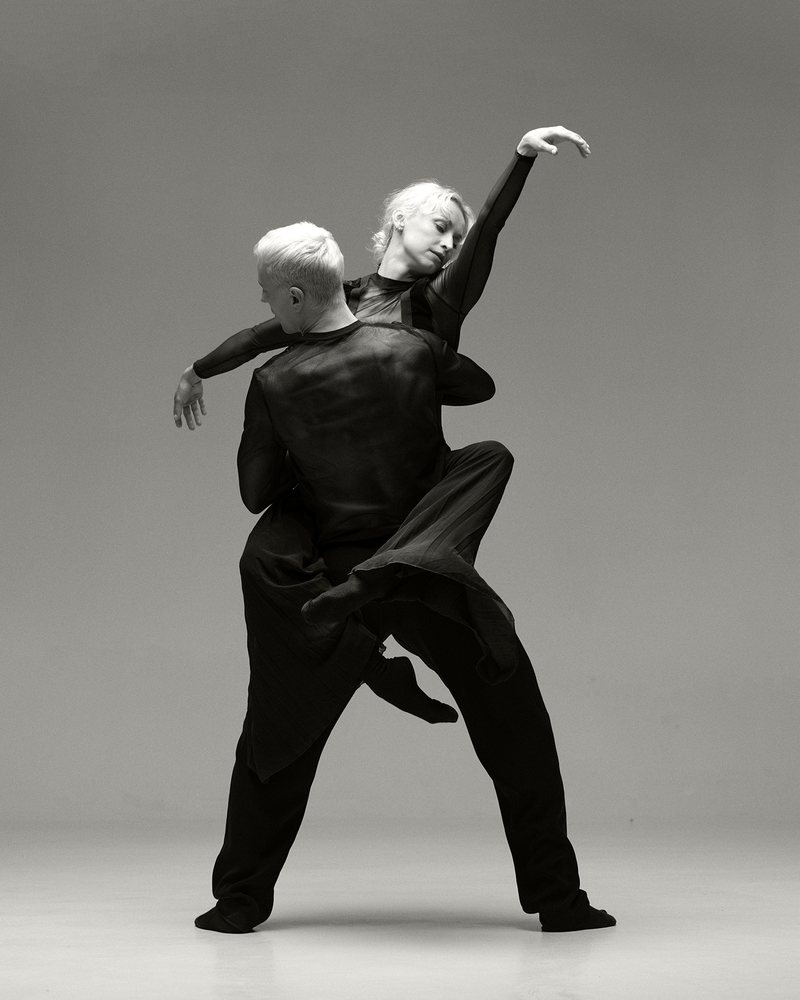
A dance-specific training programme should be based on the actual demands of ballet. Important training goals are:
- strength of the lower extremities
- explosiveness and power
- dynamic balance
- trunk stability
- muscular endurance
- movement control
- resilience in jumps and landings
- support for precision in dance
Supplementary training should not replace ballet training, but complement it sensibly.
Warm-up and stretching: what makes sense before training?
Warming up should follow a structure.
A general warm-up raises body temperature and prepares the circulation, muscles and nervous system for the coming load. A specific warm-up can then prepare the movement patterns and muscle groups needed for the session.
Stretching is particularly relevant for dancers, as flexibility is a central part of ballet technique.
Note, however, that stretching for longer than one minute can improve flexibility, but may negatively affect strength and force production in the subsequent exercise.
Before exercise, dynamic stretching or short stretches of less than one minute should be preferred.
The choice between dynamic and static stretching should therefore depend on the training goal, the timing and the individual’s condition.
Regularity is key
Strength and conditioning training does not work through individual sessions. What matters is long-term, well-planned integration into everyday training.
A study of a dance-specific neuromuscular training programme showed improvements in various areas of physical performance and dance function. At the same time, some of these improvements were lost again after several months without continuous training. This underlines the importance of regular training.
For professional dancers this means: training should not only take place during rehabilitation or after an injury. Prevention starts while you are healthy.
Conclusion: strength supports lightness in dance
A strong body is not at odds with the aesthetics of ballet. On the contrary: strength can be the foundation for control, stability, precision and explosiveness. Supplementary strength and conditioning training can help dancers improve their physical performance and prepare their bodies better for the high demands of ballet.
Ballet is lightness built on strength.
Individually tailored, dance-specific training can help develop this strength – without losing sight of the art of dance.
Would you like to tailor your training to the demands of ballet, or are you experiencing complaints? Book an appointment
References
- Warneke K, Thomas E, Blazevich AJ, et al. (2025). Practical recommendations on stretching exercise: a Delphi consensus statement of international research experts. Journal of Sport and Health Science 14:101067. DOI
- Kay AD, Blazevich AJ (2012). Effect of acute static stretch on maximal muscle performance: a systematic review. Medicine & Science in Sports & Exercise 44(1):154–164. PubMed
- Behm DG, Blazevich AJ, Kay AD, McHugh M (2016). Acute effects of muscle stretching on physical performance, range of motion, and injury incidence in healthy active individuals: a systematic review. Applied Physiology, Nutrition, and Metabolism 41(1):1–11. PubMed
- Chaabene H, Behm DG, Negra Y, Granacher U (2019). Acute effects of static stretching on muscle strength and power: an attempt to clarify previous caveats. Frontiers in Physiology 10:1468. PMC